

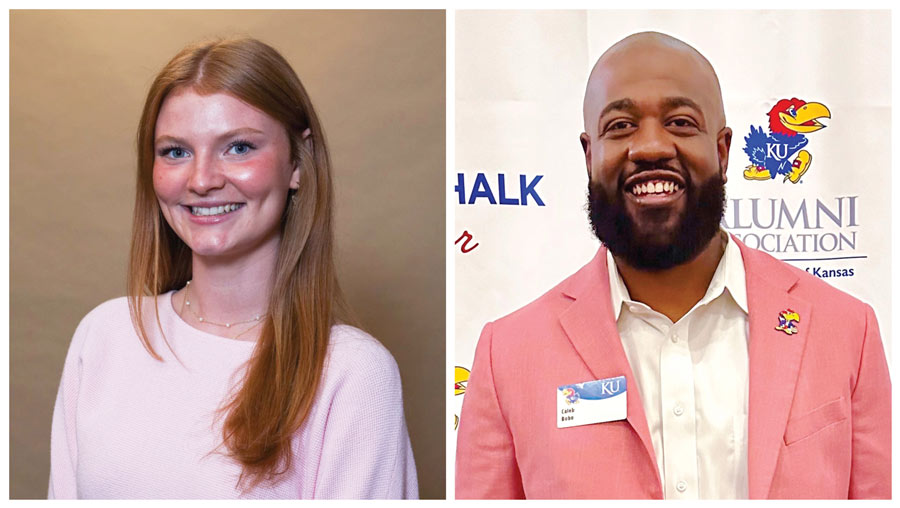
Throughout National Mentoring Month in January, KU Alumni is spotlighting the strength of the Jayhawk professional network and the mutual rewards of mentorship through profiles of some of the Jayhawks who’ve joined KU Mentoring+, the University’s platform for mentoring, networking and community building.
KU Alumni recently chatted with KU student Brynn Murphy and alumnus Caleb Bobo, c’16, about their experiences as mentee and mentor on the KU Mentoring+ platform. Murphy is a junior on the pre-law track majoring in political science and environmental studies with a minor in intelligence and national security studies. Bobo, her mentor, is a supervisory examiner at the Federal Reserve Bank of St. Louis and manager of the Community Reinvestment Act program in the bank’s consumer affairs unit.
Visit KU Mentoring+ to join the more than 16,000 alumni, students, faculty and staff on the platform and support fellow Jayhawks through career advice and connections.

Brynn, what motivated you to seek mentorship?
Murphy: One thing I really appreciate about KU is the wide variety of student involvement opportunities. However, this can also make it challenging to navigate these resources and use them to their full potential. I felt that speaking with someone who had participated in similar programs and shared similar interests would help me make more informed decisions that felt right for me.
How has having a mentor benefited you?
Murphy: During our meetings, I typically come to Caleb with several things I want to accomplish, and more often than not, they are a bit of a jumbled mess. He helps me turn these ideas into structured, achievable goals, which makes it much easier to take initiative on things I’ve been putting off.
One specific goal we discussed was studying abroad during my time at KU. I wasn’t sure where or when I wanted to go, or whether I should do so through the University Honors Program. Caleb shared his own experiences and insights, which helped make the decision feel less intimidating and much more informed.
What has been the most impactful piece of advice or insight from Caleb?
Murphy: In one of our meetings, I told him, ‘I want to become more involved, but I don’t know how or where to start.’ He walked me through my interests and past experiences and emphasized the importance of getting involved in something that both prepares me for the future and genuinely fulfills me. He reminded me that college isn’t just about building a long or impressive résumé; it’s also about finding your community as a Jayhawk.
In what ways has mentorship helped set you up for success after graduation?
Murphy: Caleb and I have spent a significant amount of time working on how to make me a competitive law school applicant. He helped me create a strong LinkedIn profile and offered guidance on reaching out to potential employers for internships. Honestly, without his encouragement, I’m not sure I would have even created a LinkedIn account.
Why would you recommend that fellow KU students join KU Mentoring+?
Murphy: KU Mentoring+ opens the door to new perspectives and experiences. KU is a large campus with countless resources, and it can feel overwhelming at times. Having the opportunity to talk with someone who has already been in your shoes and has lived through similar experiences is incredibly reassuring. As someone who doesn’t have an older sibling to turn to for advice, KU Mentoring+ has provided me with someone who is both willing and excited to fill that role.
What advice would you share with students on how to get the most out of mentorship?
Murphy: It’s important to be honest about where you are. If you feel like you aren’t doing enough during your time at KU, communicate that with your mentor. If you’re feeling stretched thin or struggling with time management, share that as well. College is stressful enough—allow yourself to seek guidance from someone who has been through it before.
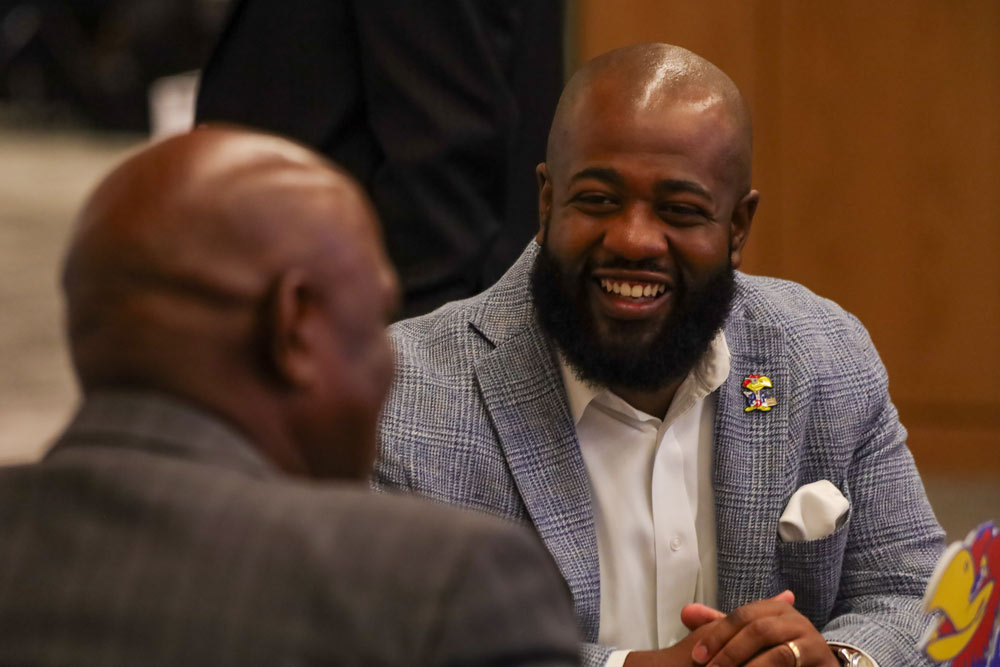
Caleb, what motivated you to become a mentor?
Bobo: I’ve been fortunate to have amazing professional and personal mentors in my life, and as I look back over my conversations with those mentors, it’s humbling how much time and how many insights they shared simply out of the goodness of their hearts. Because so many have given me their time and career insights, it feels really important that I find a way to do so for others.
What does mentorship look like to you?
Bobo: In conversations with Brynn, I spend a lot of time acting as a sounding board and supporting action planning. Acting as a sounding board looks like asking questions to help hone academic, extracurricular and post-grad desires to ensure she has everything she needs to make short-term and long-term decisions. When action planning, we like to leave each conversation with a few things for her to do to ensure we’re making progress toward her goals. Because Brynn is such a rock star, she comes to each discussion with the work she’s done and the questions that stem from that work, which ensures we’re always moving forward.
And once the formal mentorship stuff is done, we make sure to catch up on KU football and basketball, which is certainly just as important!
What has been a surprise to you in your experience as a mentor?
Bobo: There have been two major surprises. The first is how similar my experience at KU about 10 years ago is to Brynn’s. She’s wrestling with the same questions I did: Should I study abroad? How can I position myself well for graduate school? What’s the best way to start the internship search? Which student organizations are the best use of my time? And because of that similarity, I’ve been surprised at just how much I can offer.
The second surprise is how invigorating the conversations are. As I said before, Brynn is a rock star, and being able to play a small part in how she’s setting herself up for success at KU and beyond has been really, really fun. I genuinely look forward to our calls, the updates she shares and the questions she has.
Why would you recommend that fellow KU alumni become mentors on KU Mentoring+?
Bobo: No matter where you are in your career, you have valuable insights that could make a huge difference in the life of a KU student. Whether it’s how to navigate campus involvement, the pros and cons of certain academic choices, identifying and selecting internships, or starting the career or graduate school process, all of these questions are very real to current students, and being a resource as they wrestle with these decisions can have a big impact for them.