


Many Jayhawks can credit some of their most meaningful, enduring friendships to the simple serendipity of freshman-year dorm assignments. For Elyce Cox Arons, ’85, and Katy Brosnahan Spade, ’85, meeting in GSP Hall on move-in day in August 1981 marked not only the beginning of a lasting bond, but a pivotal moment in the making of a fashion empire.
After two years at KU, the friends transferred to Arizona State University, where they met Katy’s future husband, Andy Spade. They moved to New York City after graduation, and in 1993, Katy, Elyce, Andy and their friend Pamela Bell co-founded Kate Spade, a line of distinctive, functional handbags that grew into a multibillion-dollar company and a globally beloved brand.
In her memoir, We Might Just Make It After All: My Best Friendship with Kate Spade, published in June, Arons chronicles the pair’s incredible journey from Mount Oread—where they were journalism majors—to creating the Kate Spade company from scratch, witnessing sales of their handbags explode as the brand became a staple of chic, minimalist style, selling the company to Neiman Marcus in 2006, and teaming up again to launch the apparel and accessories brand Frances Valentine in 2016.

Arons’ memoir serves as a firsthand account of entrepreneurial success, a celebration of friendship and its seasons, and a poignant tribute to Spade, who died by suicide in 2018, and her legacy. Arons shares a wealth of vivid, treasured memories of her witty and visionary best friend, including recollections of their days at KU, where their connection first blossomed.
Arons lives in New York City with her husband, Andy, and their three daughters. During her visit to KU in September, she hosted a fireside chat at the Burge Union for the KU community and attended the 100th-anniversary festivities at the Chi Omega sorority house, where she was a member. Arons also sat down with Crimson & Blue to talk about her Kansas roots, college memories and a timeless piece from her GSP closet.
CB: This is your first time back at KU in more than 30 years. What has this experience been like for you?
EA: It’s like coming home. When I walked into Allen Fieldhouse, I felt like I was in church. I got all misty. When I was a student, I had the $25 season pass—that’s how much it was then!—and I went to every game. Visiting GSP, it looks exactly the same on the outside. Driving up to it was just amazing. So much has been renovated on the inside, but the TV room is still where it used to be, and the staircase is still where it used to be, so it felt the same. And then the Chi-O house and Chi-O fountain are just beautiful.
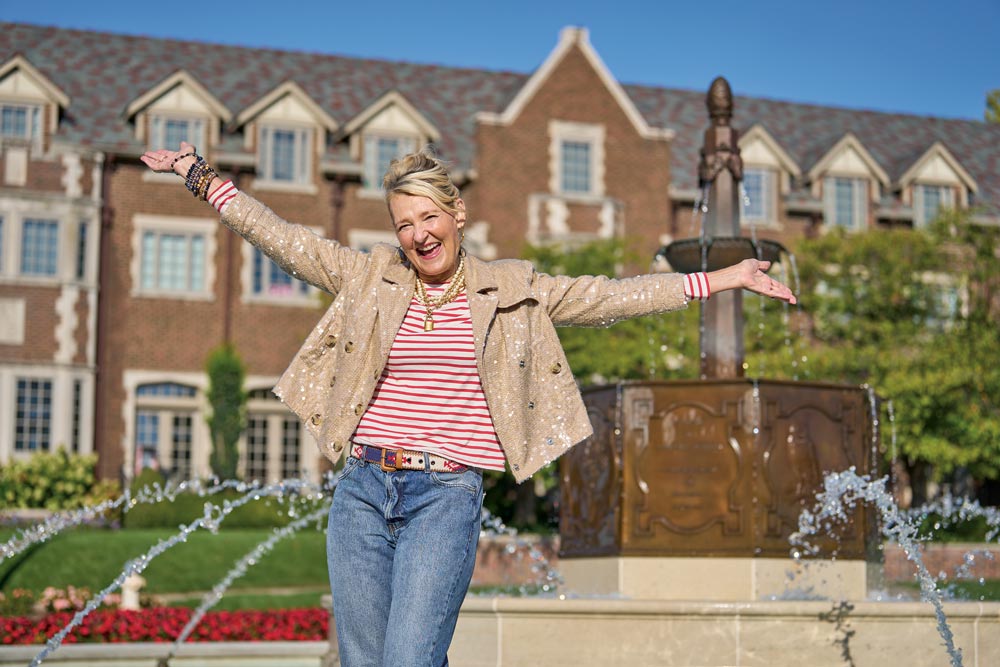
CB: In what ways do you think your Kansas background, growing up on a cattle farm in Sedgwick, contributed to your professional success?
EA: I think it’s the Kansas values I grew up with: hard work, loyalty, honesty—all the things that make Kansans who they are. Also, growing up on a farm. People who grew up on a farm know that you never stop working. It’s 365 days a year, 24/7. If the cattle get out in the wheat, it doesn’t matter what else is going on, you have to go get them off the wheat. My mother used to say, ‘The cattle don’t know it’s your birthday, they don’t know it’s the weekend, and they don’t know it’s Christmas.’ You had responsibilities every single day, and that laid the foundation in my life of hard work.
Growing up on a farm also makes you very creative. My dad fixed all his own equipment, so we learned that’s just what you do—fix things yourself with what you have available.
I think hard work, which is such a staple of Midwestern people, really matters in a larger city like New York. At Kate Spade, we hired a lot of people from the Midwest—we four founders were all from the Midwest—and I think we felt a kinship with other Midwesterners when they’d come apply.
CB: KU is where you and Katy met, which significantly shaped the course of your life. Are there other things from your time as a student here that had a lasting impact?
EA: My whole world opened up at KU. I came from a very small town, and even though I’d traveled with my parents around the United States, I really hadn’t been exposed to much on a day-to-day basis. All the classes I had at KU, I loved. In my English 101 class, the first semester of freshman year, we studied Bob Dylan’s lyrics, and I was just blown away by that. I really got into my women’s history classes, my Shakespeare classes, political science. KU was such a great experience. It opened my eyes to a lot.
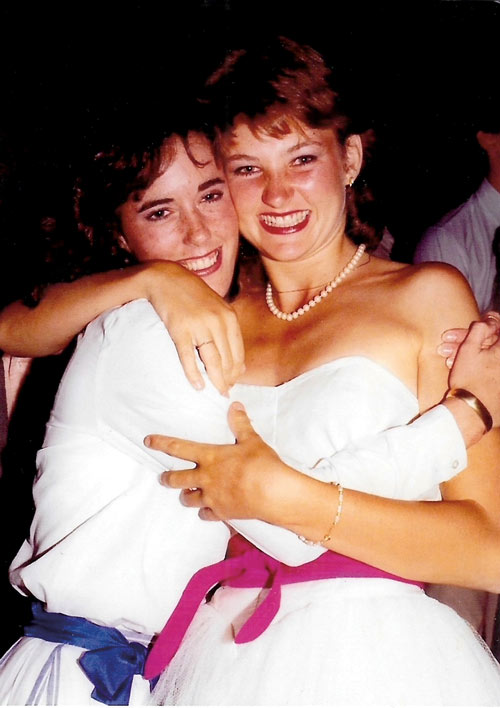
CB: If you had to pick an item from your 1981 GSP closet to bring into your modern wardrobe, what would it be?
EA: Just for laughs, I think I’d want my purple parachute pants back! That was a very trendy thing when I was 18. But realistically, probably a roll-neck fisherman sweater that I had back then. Someone actually just sent me a photo from here at KU, and I’m wearing the sweater. Somehow, I lost it along the way. Cut to 30-some years later, Katy Spade is cleaning out her closets and has all these bags. She goes, ‘Look through those and see whether there’s anything for the girls or that you want.’ Lo and behold, my fisherman sweater is on the top of the bag! I said, ‘You have had my sweater for the last 30 years? I’ve been looking for this forever!’ We’ve remade that sweater at Frances Valentine and sold out of it, but I want to bring it back again.
CB: What career advice would you most emphasize for current KU students or recent graduates?
EA: Something that has been helpful to me, through my whole life: Be kind to everybody. Create relationships wherever you can. All the connections you make in your life are going to come back around one way or another. You don’t think so, but even if you move across the country, people will pop back up in your life, and they can be helpful to you, or they can not be helpful to you. Always treat people with a lot of respect, and value who they are.
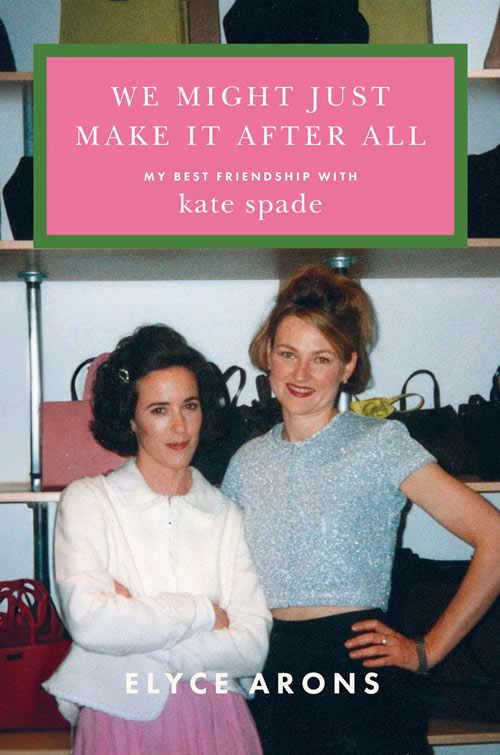
by Elyce Arons
Gallery Books, Simon & Schuster, $29
Megan Hirt, c’08, j’08, is managing editor of Crimson & Blue.